
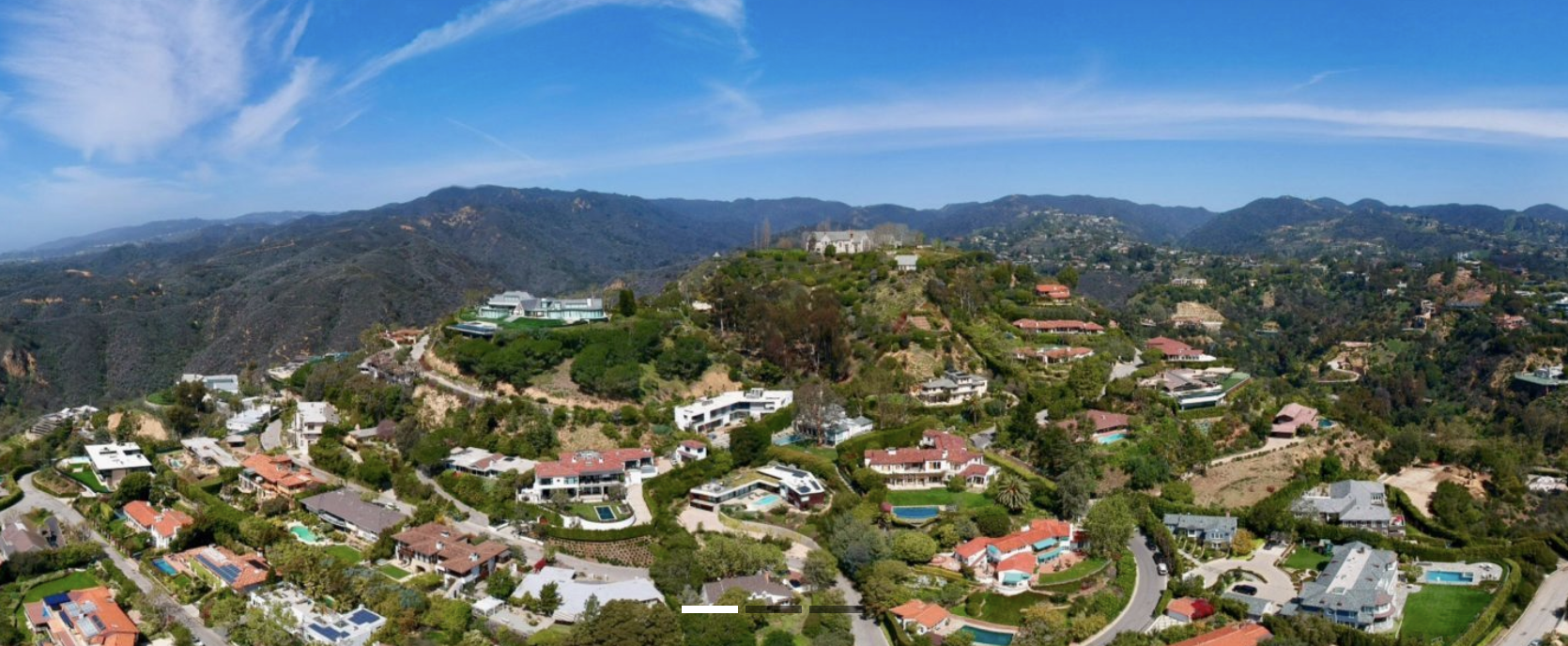
Community Resilience
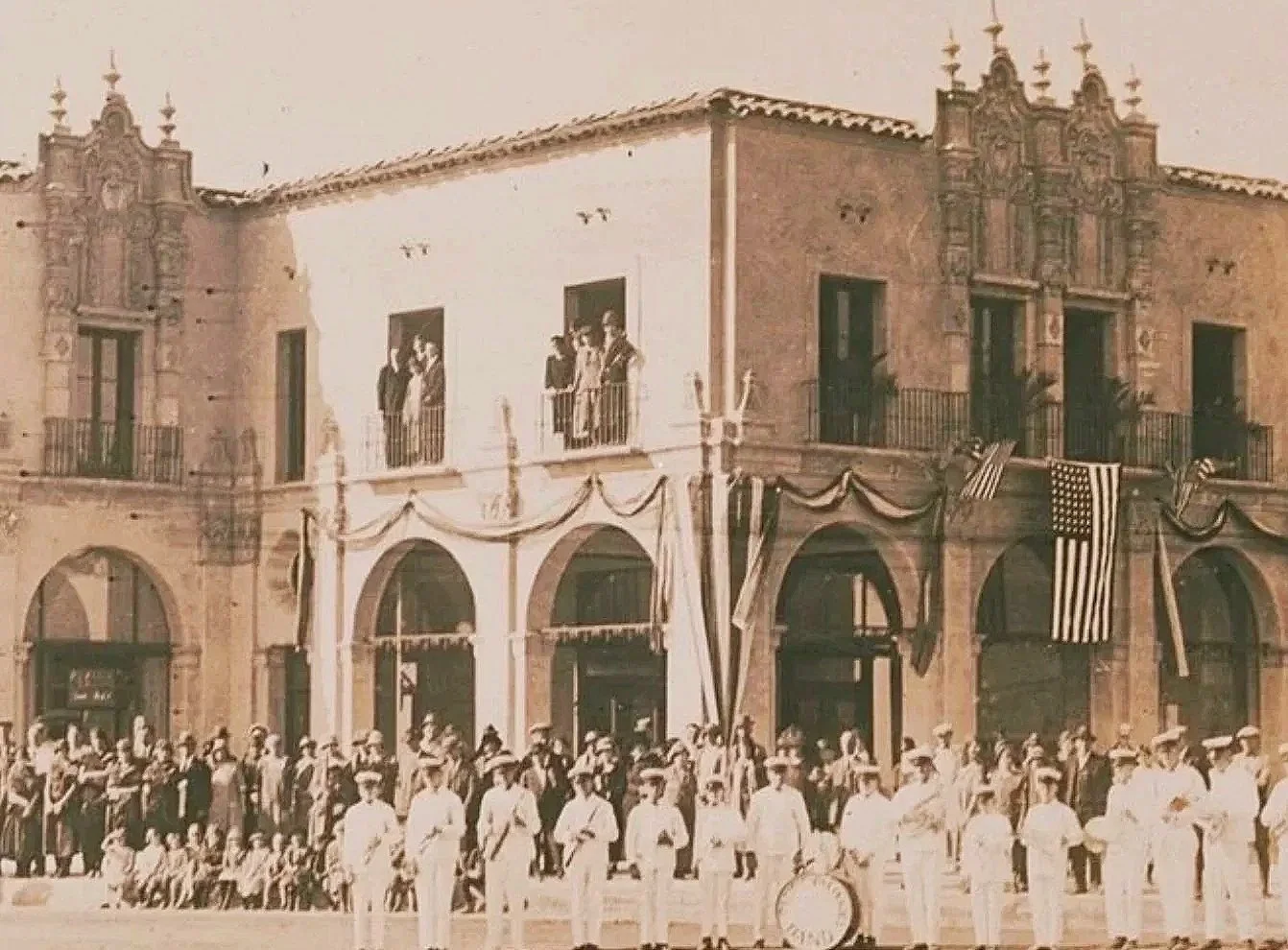
The Contribution to the Health of Our Community.
Fire Safe Palisades is working to advance a more coordinated and effective approach to vegetation management along the public-land boundaries adjoining Pacific Palisades neighborhoods.
A central part of this effort is the development of a practical, perimeter-focused fuel-treatment plan that homeowners along the neighborhood edge can implement together. The plan is intended to address thinning and maintenance, invasive species removal, reduction of fast-drying grasses and weeds, and removal of highly flammable nonnative vegetation. We also plan to provide practical support, including information on obtaining permits from the relevant agencies and lists of appropriately licensed and insured contractors. With broad participation along the perimeter, we hope to create a more consistent and effective edge-treatment strategy and strengthen the community’s ability to secure grant funding to support this work.
At the same time, we are continuing to engage with city and state officials about the risk adjoining public lands may pose to nearby neighborhoods. While we do not control public-land policy, we believe it is important to advocate for smarter land-management practices in the Santa Monica Mountains that can help reduce wildfire risk to our communities
Do you have a fire related story to tell? Before? After?
Pacific Palisades WiIdfires Recovery and Wildfire Resilience Planning Report -
City of Los Angeles | February, 2026
The city commissioned a study of what we can do to improve the resiliency of the Palisades against future wildfires. This is a very large document that covers areas such as evacuations, home hardening and managing public lands. Take the time to read through it and let us know the areas you think are most important to work with the city on. Many of the suggestions such as building Fire Wise communities we are doing. The question is what do we tackle next?!
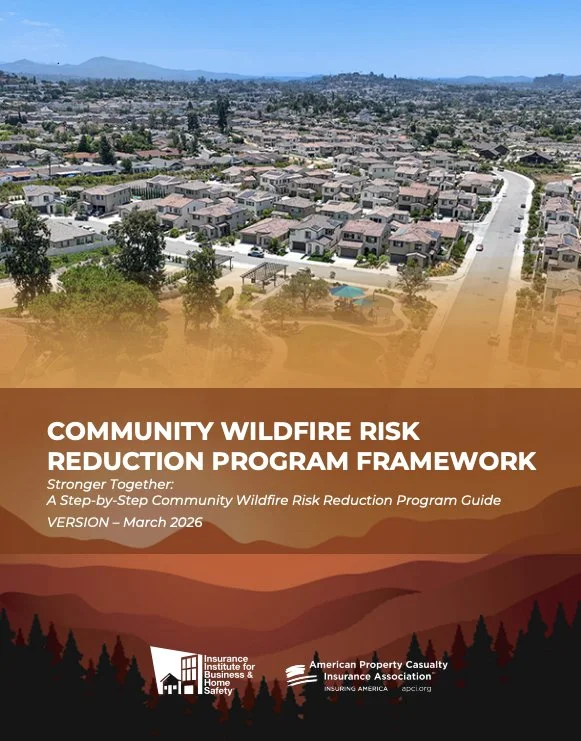
COMMUNITY WILDFIRE RISK REDUCTION PROGRAM FRAMEWORK - Stronger Together: A Step-by-Step Community Wildfire Risk Reduction Program Guide
Wildfire is a natural part of our landscape and ecosystem; however, urban conflagrations are not. Over the last decade, wildfires have grown in size and severity, destroying homes, displacing families, disrupting businesses, and devastating communities.
At the same time, wildfire science has advanced. We now understand how fire interacts with the built environment, and proven strategies exist to reduce wildfire risk for individual properties and community levels.
Wildfire mitigation provides a path to more survivable and insurable homes and communities:
Survivable: Homes and neighborhoods can withstand wildfires, allowing families to return safely, and communities to maintain stable economies and local tax bases. This provides the foundation for a healthy insurance market.
Insurable: Properties can be recognized by insurers as lower risk because of meaningful, verified mitigation measures. This makes properties more attractive to insure, though not guaranteed.
Unlike other natural hazards, wildfire intensifies when it encounters the built environment. A single burning home can quickly ignite its neighbors, triggering a cascade of destruction. Breaking this cycle requires collective action – individual households working together to bring community wide transformation.
This Community Wildfire Risk Reduction Program Framework is designed to enable neighbors to take that step by providing tools for local fire services, Homeowner Associations, community groups, and other partners to:
Establish a Community Wildfire Risk Reduction Program with the primary focus of structure hardening and defensible space.
Educate and engage homeowners.
Conduct parcel-level risk assessments.
Support homeowners through a system-based risk reduction process.
The framework includes resources for program design, homeowner education, trainer development, home assessments, communications, policy templates, supply chain guidance, and funding strategies.
Our goal is to provide communities with an actionable, science-based framework to reduce wildfire risk.
Wildfire is a multi-generational challenge shaped by more than a century of land-use choices in ecosystems where fire has always been a natural force. Yet we are not powerless. With science-based tools and collective action, communities can reduce risk, protect properties, and build resilience for the future.